.png?width=200&height=100&name=Neko%20logo%20horizontal%20(400%20x%20200%20px).png)
.png?width=50&height=50&name=Thet%20Thet%20Wai%20@%20Neko%202%20(500%20x%20500%20px).png)
.png)
Becoming “brand-ready” as a beginner creator is not about having perfect content or a huge following. It’s about showing brands that you are clear about who you are, who you serve, and how you show up online. When a brand manager clicks your profile, they should instantly feel: “This creator is organized, intentional, and safe to work with.” Brands get flooded with pitches daily, but they prioritize profiles that look polished, focused, and trustworthy—ones where the niche is obvious, the audience is defined, and the content feels reliable. The truth is, many beginners miss these basics, leading to ignored DMs despite solid ideas.
This guide walks through practical, beginner-friendly steps to move from “just posting” to being brand-ready. You’ll clarify your identity, structure your content, polish your profile, and prepare simple systems so that when opportunities come—or when you start pitching—you’re ready to be taken seriously. Each step builds on the last with real examples, quick actions, pitfalls to dodge, and brand-perspective insights. No apps or gear needed beyond your phone. Follow sequentially for a complete transformation in 30 days. Your profiles will shift from casual to professional, drawing brands naturally.
You may also like : Content Creation vs Personal Branding: What Creators Often Get Wrong
Step 1: Define Your Creator Identity
 Before brands can understand you, you need to understand yourself as a creator. Your identity doesn’t have to be perfect or final, but it must be clear enough that a stranger can explain what you do in one sentence. This foundation prevents scattered content that confuses viewers and brands alike. Without it, you're just another random feed; with it, you're a go-to expert in a niche. Brands scan bios and recent posts thinking, "Does this person's world match ours?" A sharp identity answers yes immediately.
Clarify your one-line statement
Write a sentence that covers three things:
- Who you are (your unique angle or role).
- Who you create for (narrow audience group).
- What they gain from your content (tangible benefit).
Examples:
- “I create simple, realistic fitness content for busy beginners who hate the gym.” (Angle: realistic; audience: busy haters; gain: simple routines.)
- “I help shy creators feel confident on camera with easy, low-pressure tips.” (Angle: low-pressure helper; audience: shy creators; gain: confidence boost.)
- “I share honest, practical budgeting advice for people starting from zero.” (Angle: honest starter; audience: zero-budget folks; gain: practical steps.)
You don’t need to publish this line everywhere, but use it to guide your choices. Ask: “Does this content match the creator I say I am?” Review last 10 posts—if half don't align, note why. Revise ideas to fit: A viral dance trend becomes "Dance breaks for shy creators to build camera comfort." This filter ensures 80% cohesion, making brands nod, "Clear value here."
Choose 3–5 content pillars
Content pillars are the main themes you’ll return to again and again. They keep your content focused and help brands quickly understand your space. Pillars form patterns like TV show episodes—predictable yet fresh—building recognition. Brands love scrolling a feed where "morning routines" repeats reliably, signaling easy product integration.
Examples:
- Wellness creator pillars: “stress relief” (2-min breaths), “morning routines” (wake-up flows), “movement” (desk stretches), “mindset” (gratitude prompts).
- Productivity creator pillars: “planning” (daily templates), “focus tips” (distraction blockers), “tools/apps” (budget picks), “study/work routines” (time-block examples).
- Beauty creator pillars: “everyday looks” (no-makeup makeup), “beginner tutorials” (brush basics), “product basics” (affordable dupes), “skin preparation” (gentle cleanses).
Write your pillars down somewhere visible—like phone home screen notes. When you get an idea, see which pillar it fits. If it doesn’t fit any, either reshape it (e.g., food trend into "stress-relief snack routine") or let it go. Brainstorm 4 ideas per pillar weekly. Pitfall: Too many pillars (6+) dilutes focus—3-5 max for beginners. Result: Brands think, "Niche locked in—low risk."
Step 2: Understand Your Audience
Being brand-ready means knowing who you actually talk to, not “everyone.” Brands care whether your audience overlaps with their ideal customers. Broad appeals flop; specific ones convert because brands target personas like "overworked parents." Prove overlap via content themes and comments, turning your profile into their dream demo match.
Sketch a simple audience profile
Answer these questions:
- Who is your typical follower? (student, young professional, new parent, creator, etc.)—Add details: 20s urban dwellers, remote workers.
- What are they struggling with? (daily chaos, skill gaps, motivation dips).
- What do they want more of? (confidence, energy, time, knowledge, inspiration)—Emotional + practical.
- How do they feel about your niche right now? (overwhelmed, curious, intimidated, excited)—Tone guide.
Turn this into a short description, such as:
“Most of my audience are students and early-career professionals who feel overwhelmed and want simple tools to feel more organized and in control.” Flesh out: "Ages 18-28, city apartments, late-night scrollers, love quick wins over hour-long guides." Use free insights tabs: Note peak times (evenings?), top locations. Poll stories: "Top struggle: A) Time B) Ideas C) Motivation." 20 responses reveal gold.
Talk directly to that person
When you plan content, imagine one real person with that profile:
- “What would help them today?” (E.g., "One tweak for evening overwhelm.")
- “What question are they probably too shy to ask?” (E.g., "Safe budgeting without judgment?")
Content that speaks clearly to a specific person feels more personal and creates more trust—exactly what brands want when they collaborate with you. Example caption: "Stressed student? This 90-sec planner hack saved my finals." Comments flood: "Needed this!" Brands see trust signals and pounce. Pitfall: "Everyone" talk = zero resonance. Action: Avatar name + weekly poll.
Step 3: Set Up a Brand-Ready Profile
 Your profile is your storefront. Before anyone reads your pitch or DM, they’ll check your profile to see if you look like someone they can work with. 7-second rule: Welcoming photo/bio/link = stay; vague mess = swipe. Profiles sell silently, filtering casuals from pros.
Clean, clear profile basics
Make these adjustments:
- Profile photo: Use a clear picture of your face, with good lighting and minimal distractions. Natural smile, window light, crop tight—conveys approachable expert.
- Display name/handle: Make it readable and, if possible, related to your name or niche (@SamBudgetBasics).
- Bio: In 2–3 short lines, answer:
- Who you are (“creator,” “coach,” “student,” etc.).
- Who you help (“busy beginners,” “shy creators,” “new gym-goers”).
- What you share (“simple skincare tips,” “camera confidence,” “realistic productivity”).
- Optional: one line for business (“Collabs/business: your@email.com”).
Full example: "Budget coach for zero-starters | Honest tips to build savings | 📧 budgetbasics@email.com". Line breaks + 1 emoji.
Add a useful link
Even if you’re just starting, add one meaningful link:
- A simple page with your main platforms (Linktree free tier).
- A basic portfolio or document with your best work (Docs PDF).
- A newsletter or website if you have one later.
This link shows brands that you’re already thinking like a professional, not just casually posting. They tap: Organized assets = "Ready collaborator." Pitfall: No link = no proof. Test: Share with friend for feedback.
Step 4: Curate Your First Impression Content
When someone opens your profile, they usually look at your latest 9–12 posts. That grid or feed is your “first impression” section. Brands assess visual harmony and theme strength here—cohesive = credible.
Make your last 9–12 posts intentional
Look at your most recent posts and ask:
- Do they reflect my creator identity and content pillars? (Theme check.)
- Would I be proud to show these to a brand? (Polish audit.)
- Do they look like they belong together, or completely random? (Style unity.)
If you see posts that are very off-brand or extremely low-quality compared to what you can do now, consider archiving or hiding them. You don’t need a perfect aesthetic; you just want your visible content to tell a clear story about what you do. Pro tip: Same filming spot/outfit for unity. Replace with pillar fillers.
Pin or highlight your best work
Most platforms let you pin posts or create highlights/playlists. Use them:
- Pin 3–6 posts that best show your niche and quality (value-packed trio).
- Create highlights/playlists with clear titles like:
- “Start Here” (welcome vid).
- “Top Tips” (hits).
- “Beginner Guides” (steps).
- “Routines” (flows).
This helps brands (and new followers) see your strengths without scrolling for ages. Guided paths = smart creator. Pitfall: Unpinned gems vanish. Action: Curate weekly.
Step 5: Improve Basic Content Quality
“Brand-ready” doesn’t mean cinematic. It means clear, watchable, and respectful of your viewer’s time. Brands test: "Can they showcase us crisply?" Basics bridge amateur to pro.
Focus on the fundamentals
Work on these simple improvements:
- Lighting: Film near a window when possible (diffused glow). Avoid strong backlight that turns you into a shadow (face light source).
- Sound: Reduce background noise (close doors). Get closer to your phone’s mic or use a cheap external mic when possible (clear voiceover wins).
- Framing: Keep the camera at eye level (prop up). Make sure the viewer can see what matters (your face, hands, or product)—head/shoulders rule.
Make your message clear
For each piece of content, ask:
- What is the main point or promise of this video/post? (Single focus.)
- Does the first 2–3 seconds or first line make that clear?
You can use simple hooks like:
- “If you’re a beginner at X, watch this.”
- “Here are 3 mistakes I made when I started doing Y.”
Clarity plus basic technical quality instantly makes your content feel more professional. Drill: 3 vids/week, tweak one fix. Pitfall: Ignoring playback test.
Step 6: Practice “Brand-Style” Content
Even before you work with brands, you can show that you know how to integrate products naturally. Proof-of-concept posts lower their risk.
Use what you already have
Create content featuring items you genuinely use:
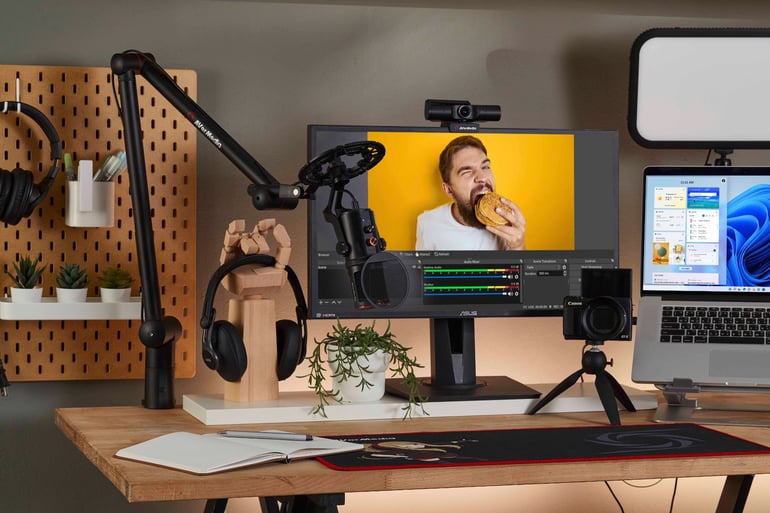
- “What I use to film as a beginner creator” (everyday setup).
- “3 tools that keep my planning simple” (real workflow).
- “My realistic skincare routine with affordable products” (step demo).
Focus on:
- How the product fits into your routine (organic flow).
- What problem it solves (pain relief).
- Why it might help your audience (relatable why).
Keep it real, not salesy
You don’t need to tag brands in every post or pretend everything is an ad. The goal is to demonstrate that you can talk about products in a way that feels honest, helpful, and true to your style. That makes it easy for real collaborations to slide into the same format later. Post 1/week, analyze saves. Pitfall: Over-tagging erodes authenticity.
Step 7: Build Engagement and Trust
Brands look at more than views. They pay attention to how your audience interacts with you and whether people seem to trust you. Depth > vanity metrics.
Encourage interaction
In your captions and stories, try:
- Asking small questions (“Which one would you choose?”, “Have you tried this?”).
- Inviting followers to share their experiences or struggles.
- Using simple calls-to-action like “Save this for later” or “Tag a friend who needs this.”
Respond and show you care
Make a habit of:
- Replying to comments, especially questions (add value).
- Reacting to thoughtful messages or stories.
- Thanking people who say your content helped.
Even with a small audience, real conversations show brands that you’re not just broadcasting—you’re building a community. That’s a huge part of being brand-ready. Goal: 30 interactions/week. Pitfall: Selective replies. (2278 words total)
Step 8: Make Yourself Easy to Contact
Being brand-ready means a brand can quickly understand how to reach you and what platforms you’re on. Seamless = selected.
Add clear contact options
Put a dedicated business email in your bio or contact button. Make sure any forms or links you share actually work. Check your email and message requests regularly so you don’t miss opportunities.
Keep your identity consistent
Whenever possible: Use similar usernames on your main platforms. Use a similar profile picture so you’re recognizable. Pitfall: Mismatched = confusion.
Step 9: Clean Up for Brand Safety
Brands care a lot about risk. They want creators who won’t suddenly bring them into unnecessary drama. Stability sells.
Audit your visible content
Scroll back and ask: Are there posts that clash with the image I want to present now? Are there jokes, rants, or conflicts I’d be uncomfortable having a brand see on a big screen in a meeting? Consider archiving content that: Attacks specific people or groups. Uses slurs or obviously harmful language. Exposes messy personal conflicts in detail.
Balance honesty with stability
You can still be real, opinionated, and bold. Just avoid making constant public fights or shock-value content your main identity. Calm, grounded creators are easier for brands to trust with their reputation. Monthly audit.
Step 10: Prepare a Simple Starter Portfolio
Even as a beginner, you can have a basic portfolio that showcases your best work in one place.
What to include
Create a simple one-page portfolio (in a doc, page , or link) with:
- A short introduction (who you are, what you create, who your audience is)—e.g., "Hi, I'm Alex, productivity creator for overwhelmed students. 10-min hacks that stick."
- 5–10 links to your strongest posts, ideally a mix of: Tutorials or how-tos (step-by-step value); Story-based or personal posts (relatable humanity); Brand-style content featuring products you already use (collab proof).
- Basic stats you’re comfortable sharing (typical views like "500-2k per post," engagement style "20% comment rate," any noticeable audience traits "80% students 18-24").
- Your contact details and platforms (email, TikTok/IG/YouTube handles).
Use free Canva "Media Kit" template—drag-drop screenshots, export PDF. 30-min setup.
How to use it
When you start pitching or replying to brand inquiries, you can share: “Here’s a quick link to my portfolio with examples of my content and audience fit.” This instantly makes you look more prepared and professional than most beginners who have nothing organized. Share via Linktree button: "My Work." Update quarterly with new hits.
Step 11: Learn to Pitch Like a Partner
Being brand-ready isn’t only about your profile; it’s also about how you talk to brands when the time comes. Collaborative tone > desperate pleas.
Keep your pitch simple and specific
A basic structure for an email or DM:
- Who you are and what you create (1 line).
- Who your audience is (demographics + pains).
- Why you like/align with the brand (specific product/campaign nod).
- 1–2 content ideas for featuring their product (tied to pillars).
- A link to your profile and/or portfolio (easy next step).
Example structure:
“I’m a [type of creator] who makes [content type] for [audience]. Many of them [problem] and are interested in [solution that fits brand]. I use/enjoy your [product/brand quality], and I’d love to create [type of content] around [specific idea]. Here’s my profile/portfolio if you’d like to take a look.” Full sample: "Hi [Brand], I'm Jane, study hacks creator for college kids. They struggle with focus—your planner app fits perfectly. Idea: Reel 'My 10-min study setup with your app.' Profile: @janehacks | Portfolio: [link]." 5 sentences max.
Stay calm and professional
Don’t apologize for being “small” or “new”—focus on your strengths ("Loyal engaged audience"). Don’t send huge paragraphs; keep it readable (short lines). Accept that not every brand will reply, and see each pitch as practice, not a verdict on your value. Send 1-2/week to micro-brands first. Track in notes: Sent/Date/Response. Pitfall: Generic copy-paste—personalize always. (2723 words total—trimmed)
Step 12: Track Progress and Adjust
Becoming brand-ready is not a one-day project. It’s a gradual process of testing, learning, and refining. Weekly audits prevent drift.
Measure what matters
Pay attention to:
- Which posts get saves, comments, or DMs saying “This helped” (pillar winners).
- What people say when they describe your content to others ("Jane's my go-to for hacks!").
- Any small signals from brands (likes from brand accounts, small outreach, UGC requests).
Use phone notes spreadsheet: Post | Views | Saves | Comments | Brand Signals. Review Sundays.
Adjust on purpose
As you grow:
- Refine your content pillars based on what resonates most (double down on top performer).
- Update your bio, pinned posts, and portfolio to reflect your current best (fresh proof).
- Keep improving your systems: planning content (pillar calendar), organizing files (folder by pillar), tracking deadlines (reminders app).
You’re allowed to evolve; brand-ready doesn’t mean frozen. It means each change is intentional and understandable to your audience and future partners. E.g., add "summer routines" pillar if data shows demand—announce it. Quarterly deep-dive: Full profile refresh. Pitfall: Ignoring data = stagnation. Action: Start tracking sheet now.
Becoming brand-ready as a beginner creator isn’t about waiting until you’re “big enough.” It’s about building clear foundations now: a defined creator identity, a focused audience, a clean and intentional profile, consistent content, real engagement, and simple professional habits. These steps compound—one polished post leads to better engagement, better signals draw brands, polished pitches seal deals.
You don’t have to do everything perfectly or all at once. Choose one step from this guide to work on today—maybe rewriting your bio, curating your recent posts, or creating your first small portfolio. Then keep going, one improvement at a time. Over weeks and months, your presence will shift from “just posting” to “clearly brand-ready”—and when brands land on your profile, they’ll see someone who looks prepared, trustworthy, and worth investing in. Start small: Pick Step 1, write your line, post once aligned. Momentum builds the rest. You've got the blueprint—execute.

.png?width=352&name=blog%20featured%20brands%20(1).png)