.png?width=200&height=100&name=Neko%20logo%20horizontal%20(400%20x%20200%20px).png)
.png?width=50&height=50&name=Thet%20Thet%20Wai%20@%20Neko%202%20(500%20x%20500%20px).png)

Becoming a “brand‑ready” creator isn’t about looking perfect, owning expensive gear, or having a huge following. It’s about building small, repeatable habits that show brands you’re reliable, intentional, and easy to work with. The creators who get consistent partnerships usually aren’t the loudest—they’re the ones whose content, behavior, and communication quietly say, “You can trust me with your brand.”
You don’t need to transform your entire life to reach that point. Instead, you can develop a handful of simple habits that gradually sharpen your content and your reputation. This guide breaks down 9 simple habits you can start today. Each one is practical, beginner‑friendly, and designed to move you closer to being “brand‑ready” without burning out or pretending to be someone you’re not.
What Does “Brand-Ready” Really Mean?
A brand‑ready creator is someone whose online presence already looks and feels like a safe, effective place for a brand to appear. That doesn’t mean you’re perfect or famous. It means your content is consistent, your tone is respectful, and your audience trusts you enough to take your recommendations seriously.
Being brand‑ready is less about follower count and more about fit and reliability. Brands care about whether you can represent them well, stick to deadlines, communicate clearly, and produce content that aligns with their values. When you build habits around those things, you naturally become more attractive to potential partners—even before you start pitching or receiving outreach.
A brand‑ready creator is someone whose online presence already looks and feels like a safe, effective place for a brand to appear. That doesn’t mean you’re flawless or famous. It means your content is consistent, your tone is respectful, and your audience trusts you enough to take your recommendations seriously. When someone scrolls through your page, they can quickly understand who you are, what you talk about, and how you treat people.
Being brand‑ready is less about follower count and more about fit and reliability. Brands care about whether you can represent them well, stick to deadlines, communicate clearly, and produce content that aligns with their values. They ask themselves questions like: “Would this creator make our product look good?”, “Does their style match our customer base?”, and “Can we trust them not to create chaos around our name?” When your day‑to‑day habits answer those questions positively, you naturally become more attractive to potential partners—even if you have a relatively small audience.
You can think of brand‑readiness as having three layers:
- Content layer: Your videos, posts, and photos look intentional and are aligned with a clear niche.
- Behavior layer: Your communication, comments, and responses are calm, respectful, and professional.
- Systems layer: You have basic organization and routines so you can actually deliver what you promise.
The nine habits in this guide touch all three layers.
You may also like : 8 Personal Branding Tips Every Creator Should Know
Why Small Habits Matter More Than Big Moments
Many creators believe one viral video will suddenly make them brand‑ready. In reality, brands usually care more about your pattern than any individual post. A single viral hit might bring attention, but brands still scroll through the rest of your feed to see how you normally show up. They want to know: is this level of quality a one‑time accident, or is it part of a stable pattern?
Small habits are powerful because:
- They are easier to maintain than big, dramatic changes that burn out after a week.
- They quietly improve your reputation with every upload, even when views are average.
- They stack over time, turning scattered posts into a recognizable brand identity.
- They reduce stress, because you know what you’re doing and why, instead of panicking before every upload.
Think of habits as your “automatic settings.” When those settings are aligned with professionalism, you create brand‑ready content even on days when you’re tired or short on time.
The following nine habits work together. You don’t have to master all of them at once. Start with one or two that feel easiest, then add more as they become natural.

Habit 1: Plan Content With a Clear Audience in Mind
Instead of posting whatever comes to mind each day, brand‑ready creators are intentional about who they’re talking to and why. Random content confuses both viewers and brands. Focused content, even if simple, shows that you understand your role and your audience’s needs.
To build this habit:
- Choose one primary type of viewer.
- Example: “busy beginners who want quick home workouts,” “students learning productivity,” or “new creators who feel overwhelmed by tech.”
- Write down a short description of this viewer—their struggles, questions, and goals.
- Before each piece of content, ask: “What small problem am I helping this person solve today?”
- Keep a simple list of 3–5 content pillars you want to be known for (for example: tutorials, mindset tips, behind‑the‑scenes, and product recommendations).
Habit 2: Maintain a Consistent Posting Rhythm
Brands prefer creators they can depend on. A consistent posting rhythm sends a strong signal that you treat content seriously and can stick to commitments. Consistency does not mean posting every day; it means deciding on a realistic pattern and honoring it most of the time.
To build this habit:
- Choose a minimum schedule you can sustain for at least three months.
- For example: “Two short‑form videos and one carousel per week,” or “One long‑form video and two shorts per week.”
- Batch‑create when possible. Film or shoot multiple pieces of content in one session while your setup is ready.
- Use a simple calendar, spreadsheet, or notes app to map out what you’ll post and on which days.
- When you need a break, communicate it briefly (through a story or community post) and plan your return instead of disappearing without explanation.
Consistency builds trust with both your audience and future partners. When brands see that you’ve been posting regularly for months, they’re more confident that you’ll also deliver on campaign deadlines instead of vanishing mid‑project.
Habit 3: Polish Your Visual Basics
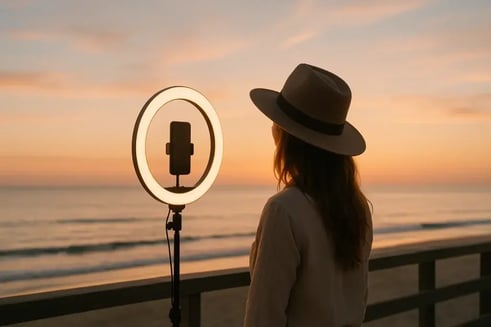 You don’t need cinematic videos, but you do need content that looks clean, clear, and intentional. Brand‑ready creators pay attention to visual basics even with very simple gear. Think of this as making sure your content is easy to watch, not necessarily “fancy.”
Focus on three basics:
- Lighting
- Film near natural light whenever possible.
- Avoid having strong light sources behind you—this turns you into a silhouette.
- If the light is harsh, diffuse it with a curtain, sheet, or light fabric.
- Quickly check your camera before filming: can you see your eyes and facial expressions clearly?
- Background
- Remove clutter from the frame, especially laundry piles, messy desks, or distracting posters.
- Use neutral or simple backgrounds—plain walls, tidy shelves, or a small corner with a plant.
- Add subtle elements that support your niche (books for education, equipment for fitness, tools for art), but keep them organized.
- Framing & Stability
- Keep the camera at roughly eye level to create a natural conversation feel.
- Use a tripod or stable surface; avoid constant shaking or extreme angles.
- Frame yourself so your head and shoulders are visible, leaving a little space above your head.
When your visuals are clean and stable, people can focus on your message instead of fighting distractions. Brands also feel safer knowing their product will appear in a neat, well‑composed environment.
Habit 4: Speak Clearly and Respectfully On Camera
Your voice, tone, and attitude play a huge role in how professional you appear. Brands need creators who can communicate clearly, respectfully, and confidently, because you may eventually speak on their behalf. Even if you tend to be introverted or shy, you can build small habits that improve your on‑camera presence.
To strengthen this habit:
- Take a short pause before recording to relax your face and shoulders.
- Speak a little slower than your everyday speed; this helps your message land more clearly.
- Use simple, direct sentences rather than long, tangled explanations.
- Avoid mocking or attacking specific groups, competitors, or viewers; it can look entertaining in the moment but risky to brands.
- Practice doing one quick warm‑up take before your “real” recording to loosen up your voice and gestures.
You can still be funny, bold, or opinionated while remaining respectful. That balance makes you more appealing to both your community and to companies who want their brand associated with kindness and professionalism.
Habit 5: Show Up Professionally in Captions and Comments
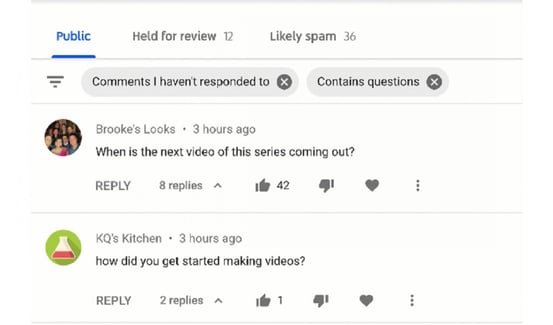
Being brand‑ready isn’t only about how your videos or photos look. Brands also pay attention to how you write and how you interact with people. Captions and comments reveal your personality, your communication skills, and your emotional control.
To build this habit:
- Write captions that add value—summaries, bullet‑point takeaways, short stories, or extra context.
- Re‑read captions before posting to catch obvious spelling errors or confusing phrasing.
- Reply to comments regularly, especially thoughtful questions or genuine support.
- If someone disagrees respectfully, thank them for their perspective and respond calmly or choose not to engage further.
- Avoid public arguments, sarcasm that can be misread, or comment wars that drag on.
Your comment section becomes part of the “experience” brands see when they review your profile. A supportive, respectful environment tells them you can handle more attention without damaging their reputation.
Habit 6: Protect Your Brand-Safe Reputation
Brands care deeply about brand safety—the idea that partnering with you won’t create unnecessary controversy or risk. This doesn’t mean you must be neutral about everything, but it does mean you’re thoughtful about how you show up online.
To protect your reputation:
- Think twice before posting content that’s purely rage‑based, insulting, or meant to attack individuals.
- Be cautious with extreme humor that could easily be misunderstood or clipped out of context.
- If you tackle sensitive topics, provide context and focus on solutions or respectful discussion instead of fueling drama.
- Avoid sharing every personal conflict or behind‑the‑scenes argument publicly; not all battles need an audience.
Over time, this habit builds a stable image: someone who can handle serious topics without creating chaos. That stability is very attractive to brands that must protect their own image.
Habit 7: Create a Simple “Brand-Ready” Profile
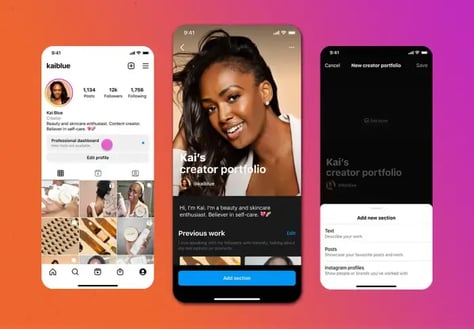
Often, the first thing a brand sees is your profile, not a specific video. A brand‑ready creator makes it easy for anyone to understand who they are, what they talk about, and how to reach them. Think of your profile as your digital business card.
Set it up with:
- A clear, friendly profile photo showing your face.
- A concise bio that explains your niche and who you help (for example: “Helping busy beginners cook fast, healthy meals at home”).
- A link to a simple landing page, link‑in‑bio, or portfolio that highlights your best work or key offers.
- Contact information—usually an email address or business inquiry option—that’s easy to find.
Review your profile as if you were a stranger. In just a few seconds, would you know what this creator does? Would you understand whether they might be a good fit for a certain product? If the answer is yes, you’re moving in the right direction.
Habit 8: Keep a Highlight Reel or Mini Portfolio
Brand‑ready creators don’t make companies dig through hundreds of posts to figure out what they can do. They curate a highlight reel—a small collection of content that represents their best, clearest, or most on‑brand work.
To build this habit:
- On platforms with playlists or highlights, group your strongest content together (for example: “Best Tutorials,” “Top Tips,” or “Past Collabs”).
- Save links to 5–10 standout posts in a simple document or note. You can include posts where:
- You explained something clearly.
- You told a strong story.
- You already mentioned a product naturally.
- You received especially positive feedback.
- When a brand reaches out, or when you send a pitch, share this small collection instead of just saying “check my page.”
This makes it incredibly easy for brands to see your potential. It also signals that you think like a professional who understands how to present their work.
Habit 9: Communicate Like a Partner, Not a Fan
How you communicate in emails and DMs can instantly change how professional you seem. Many creators either sound overly casual (“hey, wanna collab?”) or overly desperate. Brand‑ready creators speak as partners, recognizing that both sides bring value to the table.
To nurture this habit:
- Use clear subject lines or opening messages that state your intention (“Partnership idea for your skincare launch”).
- Briefly introduce who you are, what you create, and who your audience is.
- Focus on how you can help the brand reach a goal—more awareness, education, content assets, or deeper community trust.
- Ask clarifying questions about timelines, deliverables, and expectations so there’s no confusion later.
- Reply within a reasonable timeframe, and if you need more time, say so instead of disappearing.
- If you have to decline or negotiate, do it respectfully and confidently.
This style of communication shows that you respect yourself as a creator and respect the brand as a business. It makes collaboration feel smoother from the very first message.

Common Mistakes That Block Brand-Readiness (Optional)
Even with good intentions, a few recurring habits can keep you from looking brand‑ready. Recognizing them early helps you adjust before they cost you opportunities.
Common blockers include:
- Inconsistent messaging – constantly jumping between unrelated topics so brands can’t tell what you actually stand for.
- Long unexplained breaks – disappearing for weeks or months with no communication, then returning as if nothing happened.
- Aggressive or rude replies – arguing with viewers publicly, mocking honest questions, or dragging out online conflicts.
- Disorganized collaborations – missing deadlines, ignoring briefs, or delivering content far from what was agreed.
- Overpromising – saying “yes” to everything, then burning out or failing to deliver quality work.
Fixing these issues doesn’t require a rebrand. It requires awareness, honest self‑assessment, and steady improvement.
Additional Practices to Strengthen Your Brand-Ready Image (Optional)
Beyond the nine core habits, a few extra practices can strengthen the way you see yourself—and how brands see you.
Helpful add‑ons:
- Regular self‑review
- Once a month, review your own feed as if you were a brand manager.
- Ask: “Is this consistent? Would I trust this person to represent my product?”
- Basic organization
- Keep folders for content ideas, scripts, assets, and brand emails.
- Track deadlines and deliverables so you never lose track of a promise.
- Continuous learning
- Study sponsored posts from creators you admire. Notice how they integrate brands naturally instead of sounding like ads.
- Learn a bit about contracts, usage rights, and deliverable types so you’re not completely new when opportunities appear.
- Emotional boundaries
- Don’t let a single bad comment erase the value of supportive messages.
- Remember that you’re building a long‑term body of work, not passing or failing a daily test.
Becoming a brand‑ready creator isn’t about waking up one day with a huge audience or a studio‑level setup. It’s about slowly aligning your everyday habits with the kind of opportunities you want. These 9 simple habits—planning for a clear audience, posting consistently, polishing visuals, speaking clearly, writing thoughtful captions, protecting your reputation, optimizing your profile, curating a highlight reel, and communicating like a partner—are all within your control, starting now.
You don’t need permission to begin acting like the kind of creator brands want to work with. Every time you tidy your background, reply kindly to a comment, send a professional message, or deliver content on time, you’re training both yourself and your audience to see you as serious and reliable. Choose one habit to strengthen this week, then slowly build from there. Over time, these small decisions will compound into a creator presence that feels solid, trustworthy, and unmistakably brand‑ready.
.png?width=352&name=blog%20featured%20brands%20(1).png)