.png?width=200&height=100&name=Neko%20logo%20horizontal%20(400%20x%20200%20px).png)
.png?width=50&height=50&name=Thet%20Thet%20Wai%20@%20Neko%202%20(500%20x%20500%20px).png)
Building a personal brand that attracts paid collaborations is less about becoming “famous” and more about becoming clear, consistent, and trustworthy in a specific space. Brands are not just looking for big numbers—they’re looking for creators who feel like a natural extension of their marketing team: people who understand their audience, communicate clearly, and show up professionally over time.
You don’t need millions of followers or a perfectly curated life to get there. You do need a personal brand that tells a simple story: who you are, what you stand for, and why your audience listens to you. This guide walks step‑by‑step through how to build that kind of brand—from clarifying your identity to shaping your content, behavior, and systems—so that when brands go hunting for partners, your name naturally fits the list.

What Is a Personal Brand (For Creators)?
A personal brand is the reputation and perception people have of you online. It’s not just your logo, colors, or aesthetic; it’s the combination of your message, your personality, your values, and the experience people get every time they interact with your content.
In practice, your personal brand shows up in:
- How people describe you in one sentence to a friend.
- The kind of content they expect from you.
- How they feel after watching your videos or reading your posts.
- Whether they see you as “just content” or as a trusted voice.
For paid collaborations, a strong personal brand answers three silent questions for a brand:
- Are you a good fit for our audience?
- Are you trustworthy enough to represent us?
- Are you consistent enough that our campaign won’t be a one‑off blip?
You may also like : 9 Simple Habits That Make You a Brand-Ready Creator
Why Personal Branding Attracts Paid Collaborations
Paid collaborations are about risk and return. A brand invests money or product in you and hopes to get awareness, sales, content assets, or credibility in return. A strong personal brand reduces their risk and increases their confidence.
When your brand is clear and well‑defined:
- Brands instantly understand your niche, tone, and audience.
- Your past content acts as proof of concept: “This is how they already talk about products and ideas.”
- Your behavior suggests reliability—no constant drama, no disappearing for months.
- Your audience trusts you, so recommendations from you carry more weight.
In short, content gets you noticed; personal branding makes brands comfortable enough to pay you.

Step 1: Define Your Personal Brand Foundation
Before you think about collaborations, you need a brand foundation—a simple, honest understanding of who you are as a creator.
Clarify your core statement
Write one or two sentences that capture:
- Who you are.
- Who you help.
- What transformation or feeling you provide.
Examples:
- “I help shy beginners feel confident showing up on camera with simple, low‑pressure tips.”
- “I create realistic fitness content for busy people who hate traditional gym culture.”
- “I share honest, practical money advice for people who are starting from zero.”
This doesn’t have to be a public slogan, but it should guide your decisions. If an idea, trend, or brand doesn’t fit that foundation, it’s probably not a priority.
Choose 3–5 brand pillars
Brand pillars are the main themes your content revolves around. They keep you from drifting too far off‑track.
Examples of pillars:
- For a wellness creator: “stress relief,” “simple routines,” “mental health mindset,” “nutrition basics.”
- For a business creator: “pricing,” “client communication,” “productivity,” “mindset.”
- For a lifestyle creator: “slow living,” “budget style,” “creative hobbies,” “digital minimalism.”
Every new piece of content should connect to at least one pillar. Over time, viewers link those themes to you, which is exactly what a personal brand is.
Step 2: Understand and Narrow Your Target Audience
A personal brand that attracts collaborations isn’t “for everyone.” It speaks clearly to a specific type of person. Brands pay most attention to creators whose audience overlaps with their ideal customer.
Create a simple audience profile
Ask yourself:
- Age range or life stage (students, new parents, early‑career professionals, etc.).
- Main frustrations or desires related to your niche.
- Where they spend their time online (TikTok, YouTube, Instagram, etc.).
- How they currently feel about your topic (overwhelmed, curious, intimidated, excited).
Turn this into a short description:
“I primarily talk to beginners who feel overwhelmed by fitness and just want simple, realistic workouts they can actually stick to.”
Speak to one person, not the whole internet
Before you hit record or write a caption, imagine one specific follower and ask:
- “What problem am I helping them solve today?”
- “What feeling do I want them to leave with after this?”
This makes your brand feel personal, which is exactly what brands want—they’re not just buying reach, they’re buying your relationship with your audience.
Step 3: Align Your Content With Your Brand
 Your personal brand lives in your audience’s mind, but it is built through your content. Every video, post, or story becomes proof of what kind of creator you are.
Make your content do double duty
Each piece of content should:
- Provide value in the moment (teach, entertain, inspire, or share a relatable story).
- Reinforce something about your brand (your pillars, your tone, your values).
For example, if your brand is “gentle, shame‑free fitness,” a workout video that screams at viewers to “go harder” clashes with that identity. Instead, you might film short, calm routines and emphasize small wins, rest, and self‑kindness.
Use recurring formats
Recurring series and formats help your brand feel solid and memorable. They also make content creation easier.
Examples:
- “Monday Mindset” – short, weekly mindset tip.
- “2‑Minute Fix” – quick tutorial solving one tiny problem.
- “What I’d Do If I Started Again” – recurring series for beginners.
Over time, these series become part of your brand—people recognize them in their feeds, which makes you more “sticky” in their minds (and in brands’ minds too).
Step 4: Shape a Distinctive Voice and Personality
Two creators can talk about the same topic but feel completely different because of their voice and personality. This is a huge part of your personal brand and a big reason brands choose one creator over another.
Identify your natural strengths
Ask friends or followers (or reflect yourself):
- Do people see you as calm, funny, analytical, blunt, nurturing, high‑energy?
- Are you better at storytelling, step‑by‑step teaching, or giving tough-love motivation?
- Do you prefer serious, educational tone or light, humorous tone?
Lean into what already feels natural. Don’t force a loud, chaotic persona if you’re naturally thoughtful and calm—that’s hard to sustain and can make you resent your own brand.
Let your humanity show
Paid collaborations don’t require you to be a polished robot. In fact, brands often prefer creators who feel human and relatable because that’s what builds trust. Show small pieces of:
- Your learning journey (mistakes you made and what you changed).
- Your behind‑the‑scenes process.
- Your boundaries and values (“I don’t promote X because…”).
This doesn’t mean oversharing every detail of your life. It means letting your audience see that there’s a real person behind the content—which makes your recommendations more believable when brands come in.
Step 5: Make Your Platforms “Brand-Ready”
A strong personal brand isn’t only about what you say; it’s also about what your profiles look and feel like when someone lands there for the first time.
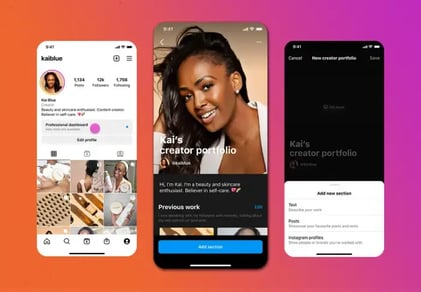 Optimize your profile basics
- Use a clear, friendly profile photo showing your face.
- Write a bio that includes:
- Who you are.
- Who you help.
- What people can expect from your content.
- A line for business inquiries (email or form).
- Add a meaningful link in your bio: a link‑in‑bio page, a simple portfolio, or your main website.
Curate your visible grid or video list
- Archive or hide posts that are extremely off‑brand or low‑quality.
- Pin or highlight 3–6 posts that clearly represent your best work and core topics.
- Make sure your last 9–12 posts reflect the direction you’re going now, not who you were three years ago.
This visual polish doesn’t have to be perfect, but it should make brands feel like they’re looking at a creator who is organized and intentional.
Step 6: Build Trust Through Consistency
Consistency is where many creators lose potential collaborations. Brands hesitate to invest in someone who posts randomly and disappears for long stretches.
Choose a realistic rhythm
- Pick a minimum schedule you can sustain for several months (e.g., 2–3 posts per week on your main platform).
- Batch-create content when possible so you’re not starting from zero every day.
- If you need a break, communicate briefly (stories, community post) and return with intention.
Stay consistent in message and values
Consistency isn’t only about frequency; it’s about what you stand for. Avoid bouncing between completely unrelated niches every month. You can experiment, but keep it anchored to your pillars and foundation.
Over time, this reliability signals to brands that you will also be reliable during a campaign—showing up, delivering, and staying aligned with agreed messaging.
Step 7: Show You Can Collaborate (Before You’re Paid)
Brands often want to see that you already know how to integrate products naturally before they pay you to do it. You can demonstrate this without doing constant unpaid promotion.
Create “brand-style” content with products you already use
- Film a “day in the life” including tools, apps, or items you genuinely use.
- Make “favorites of the month” or “3 tools I use every day as a creator/student/coach.”
- Share honest mini‑reviews, focusing on how the product solves a problem for your audience.
The goal isn’t to tag brands begging for attention. It’s to show that you can:
- Talk about products in your own voice.
- Stay educational or entertaining while mentioning them.
- Keep your audience’s trust instead of sounding like a walking ad.
When a brand sees this on your profile, they can imagine their product sliding into that exact format.
Step 8: Communicate Like a Professional
 Your personal brand isn’t just built on posts—it’s also built on how you communicate with people: followers, fellow creators, and brands. Paid collaborations especially depend on clear, respectful communication.
In comments and DMs
- Reply kindly and calmly, even when people disagree.
- Avoid public arguments that drag on and become your “main content.”
- Thank people for constructive feedback and ignore or lightly block obvious bad-faith attacks.
In emails or pitches
- Use short, descriptive subject lines (e.g., “Collaboration idea for your new planner launch”).
- Introduce yourself quickly: who you are, what you create, who your audience is.
- Focus on how you can help the brand reach a goal (awareness, education, content assets), not just on what you want from them.
- Be honest about timelines and deliverables you can realistically handle.
Being clear, polite, and reliable in communication becomes part of your personal brand. Brands talk to one another; a reputation for being easy to work with travels fast.
Step 9: Protect a Brand-Safe Reputation
No matter how engaging you are, brands will hesitate if they feel you’re risky to associate with. Brand‑safe doesn’t mean boring; it means you’re not constantly surrounded by unnecessary controversy.
Be intentional with “spicy” content
- Think twice before posting call‑outs, personal fights, or extremely polarizing takes just for attention.
- If you discuss sensitive topics, do it thoughtfully, with context and empathy.
- Avoid attacking individuals or groups; focus on ideas, behaviors, or systems instead.
Clean up older posts if needed
- If there are posts that no longer represent your values, consider archiving them.
- If you made mistakes publicly, you’re allowed to acknowledge growth and do better moving forward.
A reputation for emotional maturity and stability is a huge asset when brands decide who to trust with their image.
Step 10: Measure and Evolve Your Brand Intentionally
A personal brand is not static. As you grow, your message may deepen or shift—but evolution should be intentional, not chaotic.
Measure both content and brand signals
- Track content metrics (views, likes, watch time, saves, shares) to see what formats and topics land best.
- Watch brand signals:
- What words do people use in comments or DMs to describe you?
- Do people say “I trust you,” “I always come back to your videos,” “You’re my go‑to for X”?
- Are you starting to get small collaboration offers, invitations, or questions about your rates?

Adjust on purpose
- When you feel drawn to adjust your niche or pillars, ask:
- “How does this connect to what people already know me for?”
- “Can I frame this as an evolution instead of a complete restart?”
- Communicate with your audience when you make big shifts so they understand what’s happening and why.
This intentional evolution keeps your brand alive and authentic while still recognizable to both followers and potential partners.
A personal brand that attracts paid collaborations is not built in a single viral video or a single pitch email. It’s built in the quiet, repeated choices you make: how you define your identity, who you speak to, how you show up, and how you behave when nobody is officially “watching.”
You don’t need to be perfect or have everything figured out before you’re worthy of being paid. Start by laying a clear foundation—who you are, who you help, and what you stand for. Align your content and visuals with that story. Be consistent, communicate like a professional, and show that you can integrate products naturally without losing your audience’s trust. Protect your reputation, measure your progress, and allow your brand to evolve on purpose.
Do these things, and over time, you shift from “just another creator making content” to a creator with a recognizable, trustworthy personal brand—one that brands confidently invest in because it’s obvious you’re not just chasing quick deals; you’re building something real.

.png?width=352&name=blog%20featured%20brands%20(1).png)
.png?width=352&name=blog%20featured%208%20tips%20(1).png)