.png?width=200&height=100&name=Neko%20logo%20horizontal%20(400%20x%20200%20px).png)
.png?width=50&height=50&name=Thet%20Thet%20Wai%20@%20Neko%202%20(500%20x%20500%20px).png)

Becoming a professional content creator doesn’t start with buying expensive cameras, studio lights, or microphones. It starts with how you think about your content and how you present yourself every time you show up online. Many brands today actively work with small and mid-sized creators, often called nano and micro creators, because they feel more relatable and trustworthy than big influencers. But what these brands truly look for isn’t gear—it’s intention, clarity, and professionalism in every piece of content they see.
There are countless examples of creators who record videos on a basic smartphone, using natural window light and free editing apps, and still land long-term paid collaborations. At the same time, there are creators with high-end cameras, RGB lights, and expensive microphones who still struggle to be taken seriously because their content feels messy, inconsistent, or unfocused. Gear can help, but it does not automatically make your work look professional or brand-ready.
The real difference usually comes down to how content feels. Does it look thoughtful and organized? Does it look “brand-safe,” meaning a company could confidently place its logo or product next to it without worrying? Does it feel like this creator understands what it means to show up professionally and respect the viewer’s time? These details matter long before a brand replies to an email or DM. Recruiters, agencies, and marketing managers often scan your content for just a few seconds and instantly decide whether to move forward.
This post is for creators who want to look more polished, confident, and brand-ready—without upgrading their gear or waiting for “someday.” You will walk through five practical ways to improve how your content appears using tools you already have access to: your phone, your space, your voice, and your editing choices. Each step focuses on simple habits you can apply right away. These changes are small on their own, but together they can dramatically shift how audiences—and brands—perceive you, opening doors to collaborations, sponsorships, and long-term opportunities.

What Is a “Professional Content Creator”?
A professional content creator isn’t defined by how many followers they have, how long they’ve been posting, or what equipment they use. Someone with 2,000 followers can operate more professionally than someone with 200,000 followers if they treat their content like real work. Instead, professionalism shows up in how consistently and intentionally content is created, presented, and communicated across platforms. It’s about the mindset and standards you bring to your work.
Professionalism is about approach, not status. You can be new, still growing, or experimenting with your style—and still look professional. In fact, many brands enjoy partnering with “up-and-coming” creators who already behave professionally, because they’re easier to work with and often more flexible. Being professional simply means you treat your content, your audience, and your partners with respect. It means you show that you are reliable and thoughtful, even if you are still learning and improving.
A professional content creator typically:
- Creates content with intention, not randomly
- Shows consistency in quality, tone, and message
- Thinks about how content is perceived by both audiences and brands
- Communicates clearly and respectfully in comments, messages, and emails
- Treats content creation as a real responsibility, not just a casual hobby
- Understands that brands are watching more than just views or follower counts
Many creators think professionalism starts after getting paid, as if you “unlock” a new level once money is involved. In reality, brands look for professionalism before starting collaborations. They base decisions on what you already show publicly—your past posts, your captions, your responses to feedback, and even your posting habits. The content and behavior you’re sharing right now is what brands use to decide whether they trust you with their reputation.
Why Looking Professional Matters
Looking professional helps you stand out in a crowded creator space where thousands of new videos and posts appear every day. Brands simply don’t have time to deeply analyze every creator they discover. Instead, they scan your profile, watch a few seconds of a video, and quickly decide whether you seem like someone they could work with. A professional appearance—clean visuals, clear audio, confident delivery—immediately tells them that collaborating with you is more likely to be smooth, safe, and effective.
Professionalism also builds trust with your audience. When viewers feel comfortable with your content, they’re more likely to stay longer, leave comments, and share your posts with friends. People are more open to your recommendations when your content feels stable and thoughtful, rather than rushed or chaotic. Over time, this trust becomes your biggest asset. It’s what turns casual viewers into loyal followers who support your work, buy from your affiliates, and attract brands to your community.
In practice, looking professional means:
- Brands use visuals and clarity as a first filtering step when choosing creators
- Professional-looking content feels safer for a brand’s reputation and messaging
- Clean visuals and clear framing increase watch time and perceived credibility
- Clarity and consistency suggest that you are reliable and organized behind the scenes
- Professional presentation reduces brand risk and makes approval processes easier
- Brands can imagine sponsorships more easily when content already looks polished and structured
Looking professional doesn’t mean being perfect. You don’t need flawless videos or Hollywood-level production. Instead, it means being intentional—making conscious choices about your lighting, background, delivery, and editing so that your content feels cared for. That level of intention is something every creator can work on, regardless of budget, location, or niche.
You may also like : Content Creation vs Personal Branding: What Creators Often Get Wrong
How to Look More Professional as a Content Creator
Step 1: Master Simple Lighting (No Gear Needed)
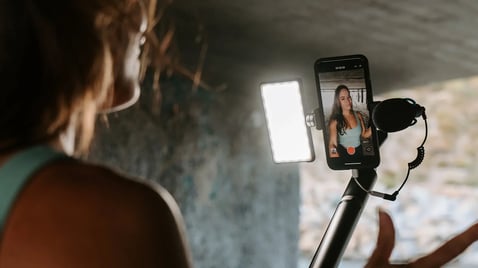 Lighting is one of the biggest factors that separates amateur-looking content from professional-looking content. Viewers might not know how to describe it in technical terms, but they instantly feel the difference between a dim, shadowy clip and a bright, evenly lit one. Poor lighting can make even the best ideas feel low-quality, while good lighting can instantly elevate simple videos and make your face and products look appealing.
Natural light is one of the most powerful—and free—tools available to creators. Instead of buying multiple lights right away, learn how to use windows, doors, and reflective surfaces to your advantage. You might be surprised how much more professional your videos look just by changing where you stand or sit. A creator who understands natural light can often outperform someone with expensive but poorly used lighting equipment.
Practical lighting habits include:
- Film facing a window whenever possible so the light hits your face directly or slightly from the side
- Avoid standing or sitting with the main light source behind you, which turns you into a silhouette
- Use light-colored curtains, bedsheets, or fabric to soften harsh sunlight and reduce strong shadows
- Turn off overhead lights that create uneven shadows under your eyes or change your skin tone
- Test different times of day to find when your space has the softest, most flattering light
- Check lighting on your front camera before recording instead of relying on heavy editing later
- Try to keep your lighting style consistent across your videos so your content feels cohesive
- Make sure your face is clearly visible and your expressions are easy to read
When lighting is soft and even, your video instantly feels calmer, clearer, and more trustworthy. Viewers can see your eyes, read your expressions, and understand any product or text you show on screen. Brands notice this right away because it means their product will also look good on camera. Good lighting tells them you care about presentation and respect how their brand will appear in your content.
Step 2: Create a Clean, Brand-Friendly Background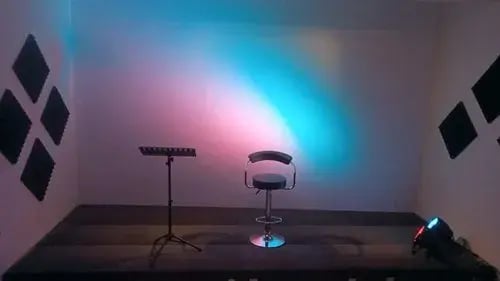
Your background tells a story—even when you’re not thinking about it. A cluttered or distracting background suggests disorganization, stress, or a lack of preparation, which can subtly reduce trust. On the other hand, a tidy, intentional background helps viewers focus on you and your message. It sends the signal that you took time to set up, that this video matters, and that you respect your audience’s attention.
A clean background doesn’t have to be aesthetic or trendy. You don’t need neon signs, complex shelves, or expensive décor. It just needs to look intentional and aligned with your niche. A simple blank wall, a curtain, or a neatly arranged corner can look more professional than an expensive but chaotic room. Think of your background as part of your visual branding, just like your logo or color scheme.
Helpful background practices include:
- Remove clutter from the filming area, especially anything personal or distracting
- Use blank walls or neutral spaces when you’re not sure what fits your brand yet
- Add simple elements like plants, books, or shelves only if they support your style
- Avoid busy patterns, flashing lights, or strong colors that pull attention away from your face
- Keep your background consistent across videos so viewers start to recognize “your space”
- Choose colors that match your niche: soft tones for wellness, clean lines for tech, warm hues for lifestyle
- Make sure nothing confusing, controversial, or off-brand appears behind you by accident
- Think of your background as part of your brand: a mini set that supports your story instead of fighting it
When brands look at your content, they imagine their product, logo, or message appearing in your videos. A clean, brand-friendly background helps them immediately see how that would work. It reassures them that their product won’t get lost in clutter or placed next to something inappropriate. That level of visual safety makes you a more attractive partner, even if your follower count is small.
Step 3: Dress and Present Yourself Like a Brand Partner
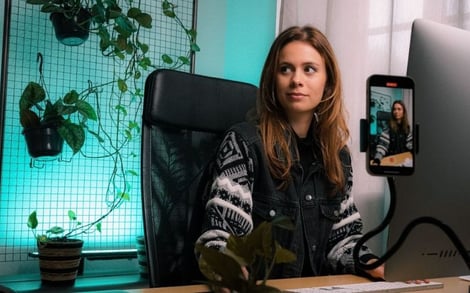 How you present yourself as a content creator visually has a powerful effect on how brands and audiences judge your professionalism—whether we like it or not. Clothing, grooming, and posture all send signals about how seriously you take your work. You do not need expensive outfits or designer pieces. Instead, you need clothes and styling that look clean, intentional, and appropriate for your niche.
This isn’t about changing who you are; it’s about translating your personality into a version that fits on camera and feels ready for collaboration. Think about the kind of campaigns you’d like to be part of: fitness, tech, beauty, education, finance, lifestyle. Then notice how people in those campaigns usually look. They may be casual, but they rarely look sloppy or unprepared. You want to aim for that same standard—comfortable but polished.
Strong presentation habits include:
- Wear clean, well-fitted clothes that are comfortable enough to move in naturally
- Choose solid colors over busy patterns that can flicker or distract on video
- Avoid large logos or heavy branding unless it’s intentionally part of a collaboration
- Match your outfit to your niche: activewear for fitness, smart-casual for business, creative but tidy for art-based content
- Keep hair neat and simple, making sure it doesn’t constantly fall into your face on camera
- Use minimal accessories so viewers focus more on your message than on jewelry or details
- Sit or stand with open, confident posture rather than slouching or shrinking into the frame
- Think “campaign-ready,” not “casual scroll,” every time you press record
Brands often choose creators who already look like they belong in branded content. When your appearance feels neutral enough to fit many brands, but still true to your personality, companies feel more comfortable reaching out. They know they won’t have to worry about clashing styles or asking you to change your entire look for a single campaign.
Step 4: Improve Your On-Camera Delivery and Audio
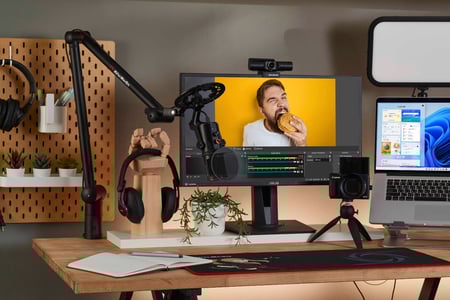 Even with great visuals, poor delivery can make content feel unprofessional. How you speak, move, and communicate on camera matters just as much as how things look. Viewers connect to your personality, your tone, and your energy. If you sound monotone, rushed, or unsure of yourself, they are more likely to scroll away, no matter how good your setup is.
Audio clarity is especially important. Many people will tolerate average lighting or a slightly shaky camera, but harsh, muffled, or echo-heavy audio pushes them away almost instantly. Clear sound makes your content feel easier to follow and more respectful of the viewer’s time. It also assures brands that you can deliver their message in a way that audiences will actually listen to.
To strengthen your on-camera delivery and audio:
- Position your camera at eye level so it feels like you’re talking directly to the viewer
- Speak slightly slower than in normal conversation to avoid mumbling or running words together
- Smile at the start of each recording to create warmth and ease any nervousness
- Avoid rushing, filler words, and very long sentences—pause, breathe, and restart when needed
- Record in quiet rooms away from loud traffic, fans, or people talking in the background
- Stay close to your phone microphone so your voice is clear without shouting
- Use soft furnishings such as curtains, carpets, and bedding to reduce echo in the room
- Give yourself permission to pause and restart sentences instead of trying to fix everything in editing
When you sound clear, confident, and relaxed, viewers feel more comfortable listening to you. Brands, in turn, trust that you can explain their product or campaign message in a professional way, even in unscripted or short-form formats.
Step 5: Use Simple Editing to Add Polish
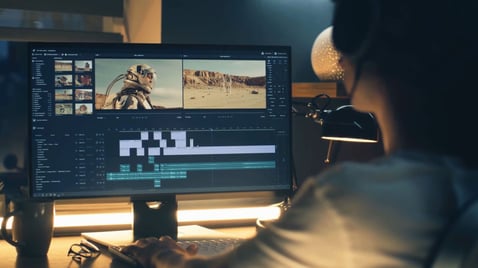 Editing doesn’t need to be complex or technical to be effective. You don’t have to learn advanced software or special effects to make your videos feel professional. Even basic edits—and sometimes fewer edits done thoughtfully—can dramatically improve how your content comes across. Editing is where your intention becomes visible. It’s where you shape the viewer’s experience.
Simple but consistent editing shows that you respect your audience’s time. You’ve removed distractions, kept the pacing comfortable, and highlighted the most important parts of your message. This approach makes your videos easier to watch from start to finish, which improves engagement and makes you more appealing to brands who want people to stay with the message.
Useful editing practices include:
- Cut out long pauses, repeated phrases, and obvious mistakes so the video flows smoothly
- Adjust brightness and contrast slightly to keep your footage clear and consistent
- Add captions or subtitles so viewers can understand your content even with the sound off
- Keep pacing tight—neither too rushed nor too slow—by trimming parts that don’t add value
- Use consistent fonts, colors, and simple transitions that match your personal brand
- Avoid overusing flashy effects, filters, or loud sound effects that distract from your message
- Check audio levels before publishing so music, voice, and effects are balanced
- Use free tools confidently and focus on mastering a few core features instead of every possible effect
Well-edited content shows brands that you care about quality and understand basic storytelling. It tells them that if they send you a brief or script, you’ll be able to shape it into something clear and engaging. That reliability is often more important to them than your current follower count.
Common Mistakes to Avoid (Optional)
Many creators unintentionally block their own growth by focusing on the wrong things too early or ignoring simple improvements. Professionalism comes from mastering fundamentals, not from shortcuts or expensive purchases. When you avoid common pitfalls, you save both time and energy.
Frequent mistakes include:
- Buying new gear before fixing basics like lighting, framing, and background
- Ignoring what appears behind you and letting clutter or distractions dominate the frame
- Using an inconsistent style, tone, or color palette that confuses viewers and brands
- Copying trends or other creators without understanding why they work or if they fit your niche
- Posting content without reviewing it for small issues, like random noises or obvious typos
- Over-editing with too many effects or under-editing by leaving long, uncut sections
- Relying heavily on filters to fix problems that good lighting and planning could solve
- Forgetting that brands pay attention to reliability, communication, and professionalism off-camera too
Avoiding these mistakes doesn’t require extra money—just awareness and willingness to improve. Each avoided mistake is another step toward a stronger, more professional presence.
Additional Tips or Best Practices (Optional)
Small habits, repeated over time, are what create long-term professionalism. These habits help you stay consistent, organized, and confident even when your schedule is busy or your audience is still growing.
Supportive best practices include:
- Create a simple filming checklist you run through before every session
- Review full videos before posting to catch small errors and adjust details
- Save your best work in a dedicated folder or playlist to build a mini portfolio
- Track what performs well and what doesn’t so you can improve intentionally
- Learn basic brand and marketing language to communicate better in emails and pitches
- Think long-term, focusing on building trust and skill rather than chasing only viral moments
- Stay authentic while remaining intentional about what you share and how you present it
- Focus on building real trust with your audience before asking for sales, sign-ups, or sponsorships
Professionalism isn’t built overnight. It grows through these small decisions, repeated week after week, video after video. Over time, your content library becomes evidence of your growth, discipline, and reliability.
You don’t need fancy gear to look professional. What you truly need is clarity about your message, intention in your choices, and care in how you show up for your audience. When creators focus on fundamentals—lighting, background, presentation, delivery, and editing—the overall experience of their content improves dramatically. Viewers feel more comfortable, brands feel safer, and opportunities begin to appear more often.
If you improve even one area from this guide—perhaps cleaning your background, practicing your on-camera delivery, or tightening your edits—your content will immediately feel more confident and brand-ready. As you stack these improvements over time, you build a presence that looks and feels truly professional, even on a simple phone setup. And that’s exactly where collaborations, sponsorships, and long-term creative opportunities usually begin.