.png?width=200&height=100&name=Neko%20logo%20horizontal%20(400%20x%20200%20px).png)
.png?width=50&height=50&name=Thet%20Thet%20Wai%20@%20Neko%202%20(500%20x%20500%20px).png)

Trends are shaping the future of influencer marketing in Myanmar faster than ever. As social media platforms evolve and user behavior changes, the way brands and creators work together is also transforming. What once focused on reach and follower counts is now shifting toward authenticity, engagement, and real influence.
Looking ahead to 2026, digital behavior in Myanmar is becoming more video-driven, mobile-first, and community-focused. Brands and creators need to prepare for these changes by adapting their strategies, investing in trust, and building long-term relationships. Understanding upcoming trends today will help both sides stay competitive in Myanmar’s rapidly evolving influencer marketing landscape.
The Current State of Influencer Marketing in Myanmar
Influencer marketing in Myanmar is rapidly evolving as social media platforms dominate daily digital life. Brands are moving away from traditional advertising and relying more on creators to connect authentically with local audiences.
- Platform dominance (Facebook, TikTok, Instagram)
These platforms lead content discovery, entertainment, and shopping inspiration for most users in Myanmar.
- Growth of creator economy
More individuals are becoming full-time creators, turning content creation into a sustainable income source.
- Shift from ads to creator-led content
Brands prefer authentic storytelling from creators rather than direct, scripted advertisements.
As influencer marketing evolves in Myanmar, several key trends are shaping how brands and creators work together in the coming years.
Trend 1 Rise of Micro & Nano Influencers
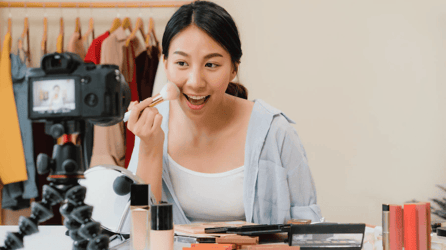 Micro and nano influencers are gaining more importance as audiences shift away from celebrity-style promotions. In Myanmar, smaller creators often feel more relatable and trustworthy, making their influence stronger despite having fewer followers. This trend reflects a move toward community-driven and authenticity-focused marketing.
- Stronger trust and engagement
Micro and nano influencers build close relationships with their followers by replying to comments, sharing daily experiences, and communicating openly. This creates higher engagement levels and stronger trust compared to big influencers.
Example: A nano beauty creator answering skincare questions in comments often influences real purchasing decisions.
- Niche communities and local relevance
These influencers usually focus on specific interests such as fitness, campus life, or local food scenes. Their content feels highly relevant to followers who share similar lifestyles or locations.
Example: A Mandalay-based food creator recommending local eateries connects deeply with nearby audiences.
- Cost-effective collaborations
Micro and nano influencers charge lower fees, allowing brands to collaborate with multiple creators instead of one expensive influencer. This helps brands test content and reach diverse audiences efficiently.
Example: A startup working with five nano influencers gains broader feedback at a lower cost.
Trend 2 – Video-First & Short-Form Content
 Short-form video is becoming the most powerful content format in Myanmar. Platforms like TikTok and Instagram Reels are shaping how users discover brands, products, and creators. This trend highlights the growing preference for fast, engaging, and visually driven content over long or static posts.
- TikTok and Reels growth
TikTok and Instagram Reels dominate attention by delivering quick, entertaining videos that are easy to consume. Influencers can reach large audiences organically through trends, sounds, and challenges.
Example: A creator using a trending TikTok sound to showcase a product can gain thousands of views within hours.
- Livestream shopping and reviews
Livestreams allow influencers to demonstrate products in real time, answer questions, and build immediate trust. This format encourages interaction and drives faster purchase decisions.
Example: A beauty influencer livestreaming product trials while responding to comments increases viewer confidence.
- Authentic, unpolished content preference
Audiences prefer real, unfiltered videos over overly edited advertisements. Casual filming feels more honest and relatable.
Example: A creator recording a phone video review at home feels more convincing than a studio-style promotion.
Trend 3 -Performance-Based Influencer Marketing
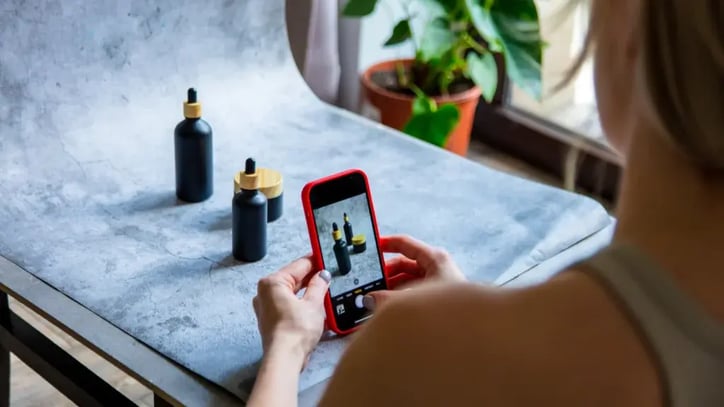
Brands in Myanmar are moving away from judging influencer campaigns by follower count alone. Instead, they are focusing on real performance, such as how many people interact, click, or make a purchase. This trend reflects a more data-driven and result-oriented approach to influencer marketing.
- Shift from reach to results
Brands are no longer satisfied with high views or impressions. They want to see real impact, such as audience actions and responses.
Example: A brand choosing an influencer based on past sales results rather than follower size.
- Focus on engagement, clicks, and conversions
Metrics like comments, website visits, and purchases are becoming more important than likes.
Example: An influencer campaign measured by link clicks and completed orders instead of views.
- Use of tracking links and codes
Tracking links and discount codes help brands measure influencer performance accurately.
Example: A creator sharing a unique promo code to track how many sales came from their content.
Trend 4 – Long-Term Brand–Creator Partnerships

Brands are moving away from one-off sponsored posts and toward long-term partnerships with creators. Ongoing collaborations help build stronger credibility, clearer brand stories, and deeper audience trust. This trend reflects the growing importance of consistency and authenticity in influencer marketing.
- Moving away from one-off posts
One-time promotions often feel rushed and less convincing. Long-term partnerships allow influencers to introduce products naturally over time.
Example: A creator featuring the same skincare brand across multiple months builds stronger familiarity and trust.
Repeated exposure through the same creator makes brand messages feel more reliable and believable.
Example: Followers trust a fitness influencer more when they consistently use the same supplement brand.
- Storytelling over time
Long-term partnerships allow creators to share real experiences, progress, and results.
Example: An influencer documenting a fitness journey with a brand across several posts feels more authentic.
Trend 5 – Hyper-Local & Community-Focused Campaigns

Hyper-local influencer marketing focuses on reaching specific cities, neighborhoods, campuses, or interest-based communities. In Myanmar, audiences respond more positively to content that reflects their daily life and surroundings. This trend helps brands create stronger relevance and more meaningful engagement.
- Targeting cities, campuses, and local groups
Brands work with influencers who represent specific locations or communities, making campaigns more personal.
Example: A café partnering with a Yangon-based creator to attract nearby customers.
- Local language and cultural relevance
Using local language and cultural references makes content easier to understand and more relatable.
Example: An influencer explaining a product in Burmese connects better than English-only promotions.
- Blending online and offline influence
Influencer impact extends beyond social media into real-world behavior.
Example: Followers visiting a store after seeing a local influencer’s recommendation.
Trend 6 – Creator Transparency & Authenticity
Audiences in Myanmar are paying closer attention to how influencers promote brands. Clear communication, honest opinions, and transparency are now expected. Creators who are open about partnerships and share genuine experiences are more likely to earn long-term trust and loyalty from their followers.
- Clear ad disclosures
Followers appreciate knowing when content is sponsored, as it builds honesty and credibility.
Example: An influencer clearly stating “paid partnership” while still sharing a real opinion.
- Honest opinions over scripted content
Audiences prefer genuine feedback instead of overly polished brand messages.
Example: A creator mentioning both pros and cons of a product feels more trustworthy.
- Trust as a competitive advantage
Creators who maintain transparency stand out and retain loyal followers.
Example: A lifestyle influencer refusing mismatched brand deals gains stronger audience respect.
Trend 7 – AI & Technology in Influencer Marketing
AI and digital tools are becoming part of everyday influencer marketing workflows. From content planning to performance analysis, technology is helping brands and creators work smarter and more efficiently. By 2026, AI-driven decisions will play a bigger role in influencer marketing strategies in Myanmar.
Creators are using AI to generate ideas, captions, and video edits faster.
Example: An influencer using AI tools to plan weekly content themes and improve posting consistency.
- Data-driven influencer selection
Brands use technology to analyze engagement, audience demographics, and past performance.
Example: A brand choosing influencers based on conversion data rather than follower count.
- Virtual influencers and AI-assisted content
AI-generated visuals and virtual creators are emerging as experimental tools.
Example: A brand testing AI avatars for product storytelling while maintaining human creators for trust.
What These Trends Mean for Brands in Myanmar
As influencer marketing continues to evolve toward 2026, brands in Myanmar must adapt to new expectations and behaviors. Audiences are becoming more selective, platforms are changing faster, and performance is now more important than visibility alone. Brands that rely on outdated tactics risk losing relevance. To stay competitive, companies need to rethink their strategies, plan budgets more carefully, and choose influencers more strategically. Understanding how to adapt now will help brands build trust, improve engagement, and achieve sustainable results in Myanmar’s growing digital market.
How to Adapt Marketing Strategies
Brands should move away from one-off influencer posts and focus on long-term, value-driven campaigns. Content should feel authentic, localized, and aligned with creator voices. Performance metrics such as engagement and conversions must guide decisions.
“People don’t want ads anymore — they want stories they can trust.”
Budget Planning for 2026
Marketing budgets should be more flexible, allowing brands to test multiple creators instead of relying on one expensive influencer. Allocating funds for long-term partnerships and performance-based campaigns helps reduce risk.
“Spending smarter matters more than spending bigger.”
Choosing the Right Influencer Mix
A balanced mix of micro and big influencers delivers the best results. Big influencers drive awareness, while micro influencers build trust and conversions. Brands should align influencer choice with campaign goals.
“Reach creates attention, but trust creates action.”
What These Trends Mean for Influencers & Creators
Influencer marketing trends leading into 2026 show that being a creator in Myanmar is becoming more professional and competitive. Posting consistently is no longer enough. Audiences now expect higher content quality, clearer communication, and more honesty from the creators they follow. This shift is pushing influencers to think beyond short-term popularity and focus on long-term value.
Brands are also changing how they work with creators. Instead of choosing influencers based only on follower count, they are looking at engagement, performance, and brand alignment. This means creators must understand their audience deeply and know how their content influences real behavior, not just views or likes.
At the same time, these trends open new opportunities for creators. Those who invest in skill development, build strong personal brands, and diversify income streams can create sustainable careers. Influencers who adapt early will be better positioned to grow, attract quality partnerships, and remain relevant in Myanmar’s evolving digital landscape.
Skill Development and Content Quality
Creators need to continuously improve their skills to stay competitive. Strong storytelling, clear messaging, and good video quality help content stand out in crowded feeds. Learning short-form video trends, livestream techniques, and basic analytics allows creators to deliver better results for brands. Content that is informative, engaging, and visually clear builds stronger audience trust. As brands expect measurable performance, creators who understand how to create engaging and conversion-driven content will have more collaboration opportunities and long-term success.
Building Personal Brands
A strong personal brand helps creators differentiate themselves in the market. Consistency in tone, visual style, and values makes content recognizable and trustworthy. Creators who clearly define their niche attract followers who genuinely care about their content. This also helps brands understand whether a creator is a good fit. Building a personal brand is about long-term positioning, not trends. Creators with a clear identity are more likely to secure repeated partnerships and loyal audiences.
Monetization Opportunities
Influencer monetization is expanding beyond sponsored posts. Creators can earn through brand partnerships, affiliate marketing, livestream sales, digital products, and exclusive content. Diversifying income reduces dependence on one source and increases stability. Performance-based campaigns also reward creators who drive real results. Creators who understand pricing, audience value, and content performance can negotiate better deals. By exploring multiple revenue streams, influencers in Myanmar can turn content creation into a sustainable business rather than a short-term opportunity.
Preparing for Influencer Marketing in 2026
As influencer marketing continues to evolve in Myanmar, brands must take early action to stay competitive. Preparing for 2026 means understanding new audience expectations, avoiding outdated tactics, and applying smarter strategies. The table below summarizes what brands should do now, what to avoid, and best practices to follow for long-term success.
Preparation Table for 2026
|
Focus Area |
What to Do |
Why It Matters |
|
Steps brands can take now |
Invest in long-term influencer partnerships, test micro and nano influencers, and track performance metrics such as engagement and conversions. |
Early preparation helps brands build trust, refine strategy, and reduce future campaign risks. |
|
Mistakes to avoid |
Avoid choosing influencers based only on follower count, using overly scripted content, or running one-off campaigns without measurement. |
These mistakes reduce authenticity, waste budget, and fail to create meaningful impact. |
|
Best practices moving forward |
Focus on authenticity, local relevance, clear disclosures, and data-driven decisions. Combine awareness and conversion-focused creators. |
Best practices help brands stay credible, adaptable, and effective in a changing market. |
Preparing now allows brands in Myanmar to adapt smoothly to future trends. By acting early, avoiding common pitfalls, and following proven practices, brands can build stronger influencer relationships and achieve sustainable success in 2026 and beyond.
Influencer marketing in Myanmar is evolving as brands and creators prepare for 2026. Key trends such as the growth of micro and nano influencers, short-form video content, performance-based campaigns, and long-term partnerships are reshaping the industry. Trust and engagement now matter more than follower numbers, making authenticity and local relevance essential. Brands that use clear strategies, choose the right influencer mix, and focus on measurable results will see stronger impact. Looking ahead, the future of influencer marketing in Myanmar belongs to those who adapt early, build genuine connections, and invest in sustainable, trust-driven collaborations.